
BrainBot Education
AI Literacy Through Storytelling
Helping children stay human in the AI era through story, ethics, imagination, and real technology concepts.
How Do We Stay Human in the AI Era?
Story-driven AI literacy for children, classrooms, and the next generation of thinkers.
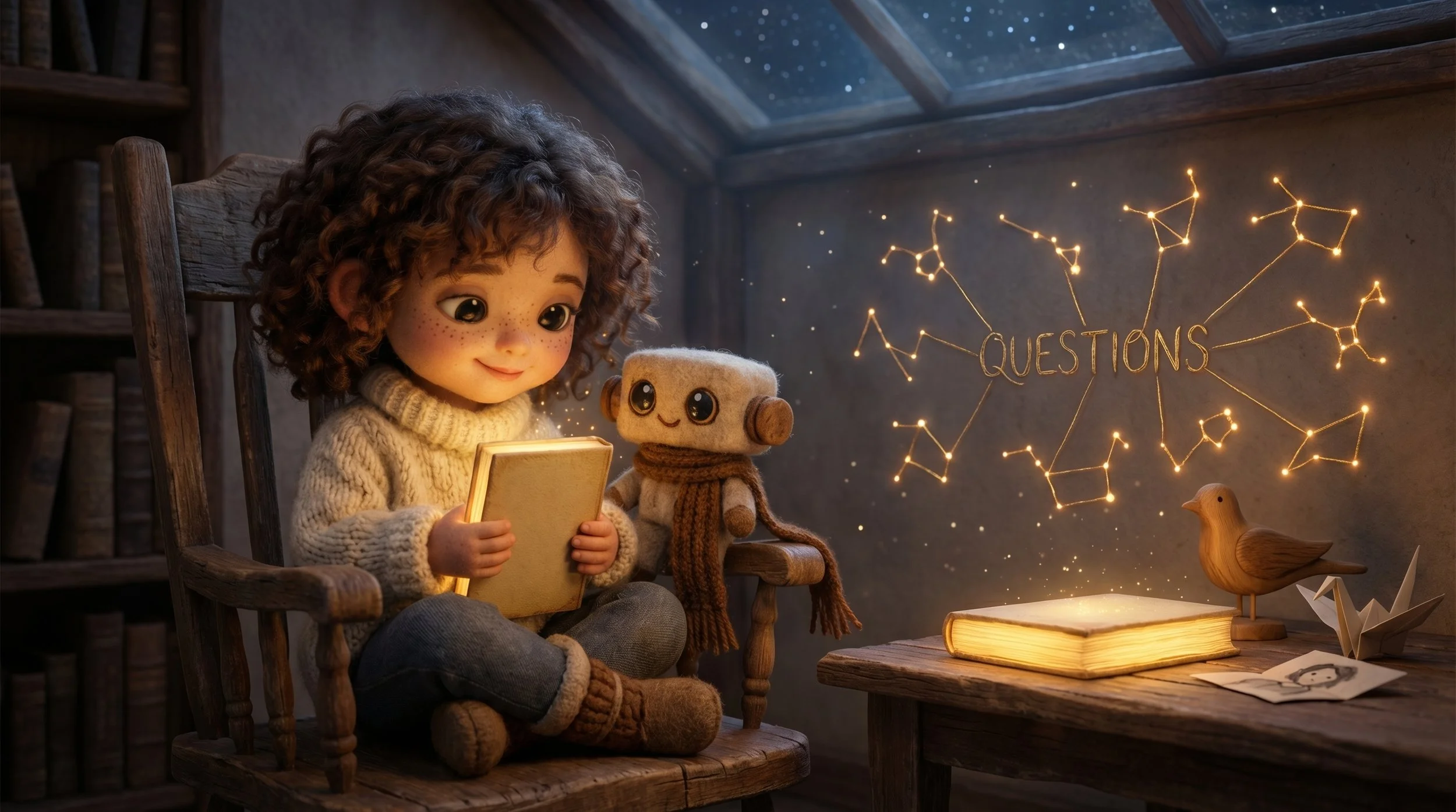
Keeping Curiosity at the Center of Learning
BrainBot Studio is an independent educational publisher and learning studio on a mission to help children grow up thoughtful, creative, and ethically grounded in a world being reshaped by artificial intelligence.
We create story-first curriculum, books, and classroom tools that make big ideas feel close and personal — because the children who understand AI's possibilities and limits will be the ones who shape its future.
AI Literacy
Understanding how AI works — and doesn't — is the new essential skill for every child growing up today.
Storytelling
We believe stories are the oldest technology. Every lesson begins with a narrative that children care about.
Creativity
AI tools should amplify human creativity, not replace it. We protect the right to dream, draw, and invent.
Ethics
Children learn to ask hard questions: What is fair? What does it mean to care? How should machines be designed?
WHY IT MATTERS
The World Is Changing Fast. Children Deserve a Guide.
85% of jobs that will exist in 2030 haven't been invented yet
WORLD ECONOMIC FORUM
1 in 3 children already interact with AI daily without knowing it
COMMON SENSE MEDIA
7 yrs the average age at which children first encounter AI tools
EDTECH RESEARCH 2023
AI shapes what children see, hear, and believe
Recommendation algorithms, search results, and social feeds are all powered by AI. Children who understand this become critical thinkers rather than passive consumers.
Creativity is the skill AI cannot replicate
The more automated the world becomes, the more valuable human imagination, empathy, and ethical judgment become. We teach children to protect and develop these gifts.
Ethics must be taught before the technology arrives
Today's children will build tomorrow's AI systems. Ethical instincts — fairness, accountability, transparency — need to be planted early through story and practice.
Confusion breeds fear; understanding breeds agency
Children who understand AI as a tool — not a magic box, not a threat — feel empowered rather than anxious. That confidence changes how they engage with the future.
MEET MILA & PIXO
Mila

A curious, compassionate young explorer who asks the human questions behind every technology.
She reminds readers that intelligence is not only about answers — but about empathy, imagination, and wisdom.
PIXO
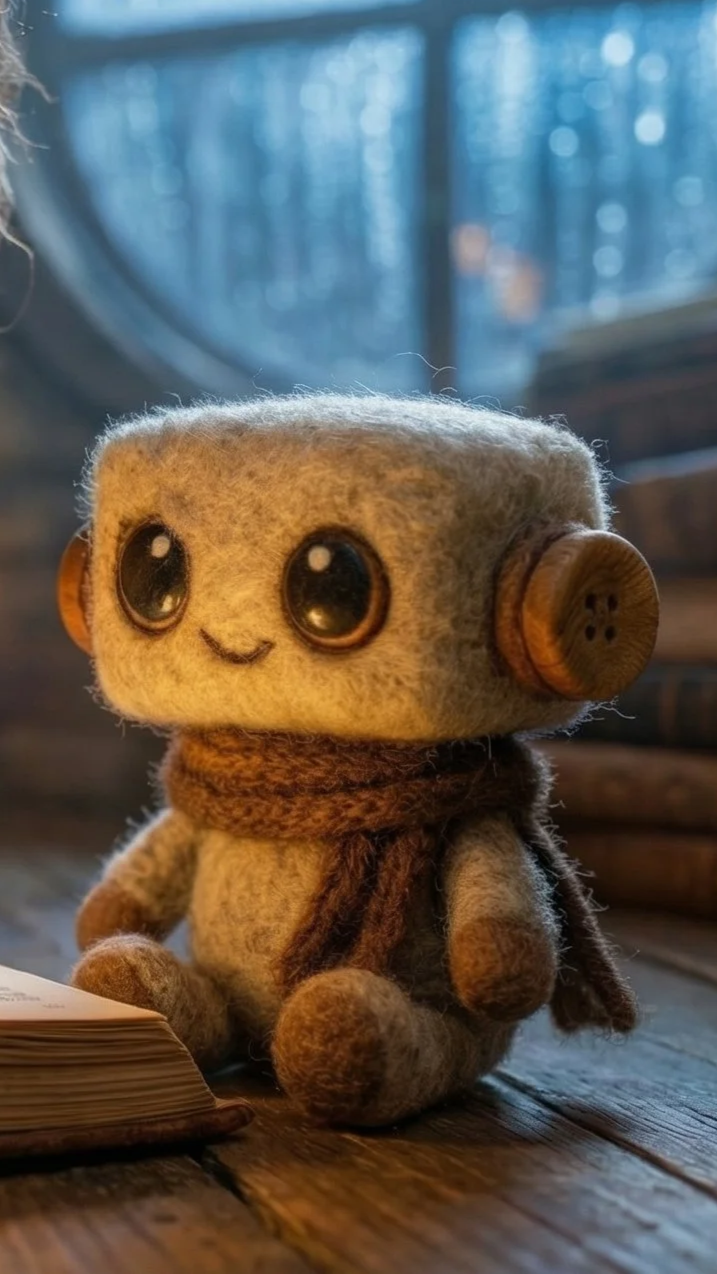
A small felt robot with endless knowledge about artificial intelligence, patterns, and the hidden systems of the universe.
But through Mila, PIXO begins discovering something machines cannot easily calculate: wonder.
Classroom-Ready AI Literacy
Explore Educator Resources
Designed for Grades 5–7, the BrainBot educator materials combine storytelling, ethics, STEM learning, and discussion-based activities aligned with modern educational standards.
Includes:
Educator Guides
Discussion Questions
Vocabulary Activities
AI Ethics Debates
Creative Projects
Printable Classroom Materials
The constellation map
An AI literacy adventure where Mila and PIXO journey through living constellations, learning how intelligent systems see, learn, create, and shape the world around us.
Perfect for:
Ages 10–13
Grades 5–7
AI literacy
STEM enrichment
Ethics discussions
Future-ready classrooms
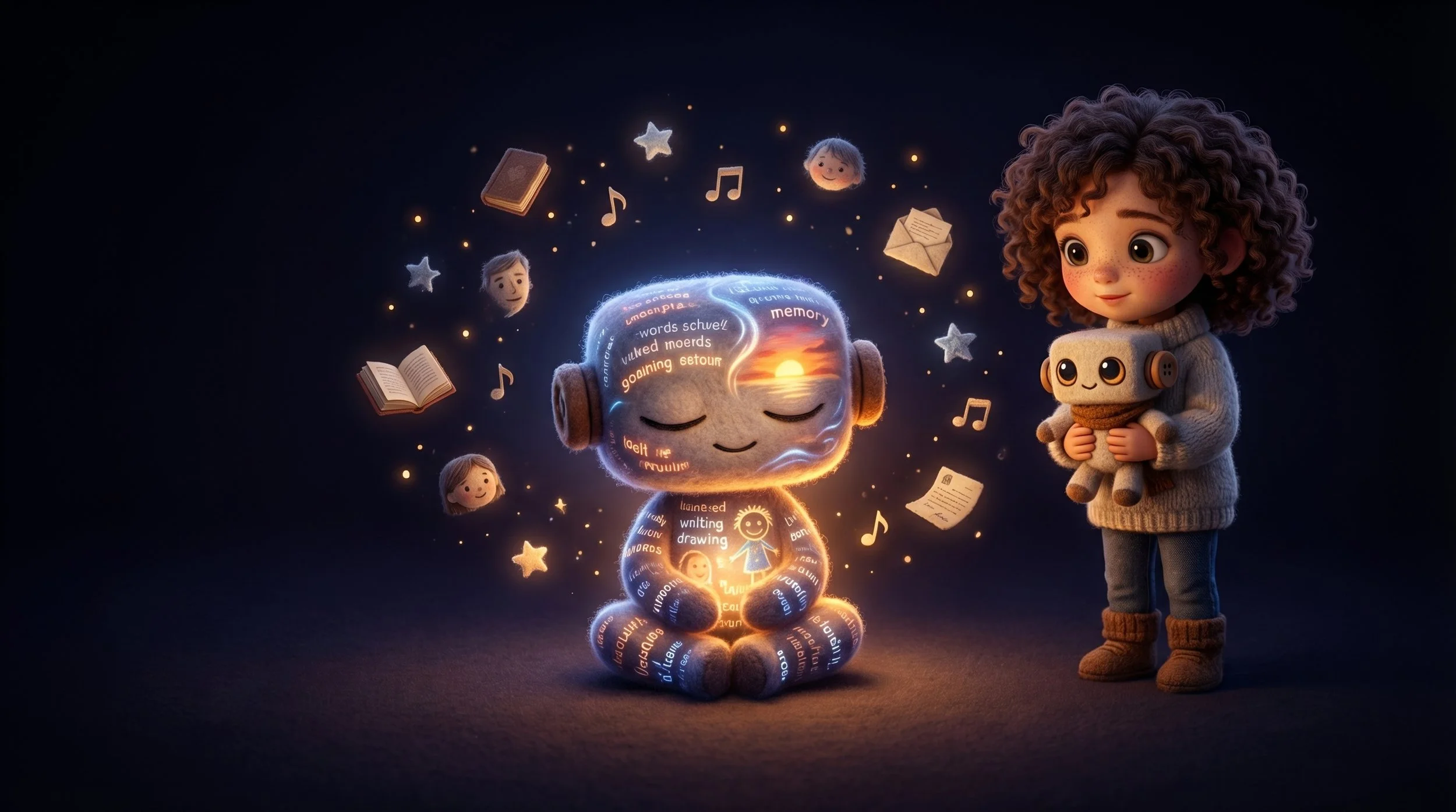
The Creature That Learned the World by Listening
A mysterious encounter in the first constellation asks the question that begins everything: can a mind understand the world if it has never truly felt it? Mila’s answer opens a journey through intelligence, empathy, and the meaning of presence.
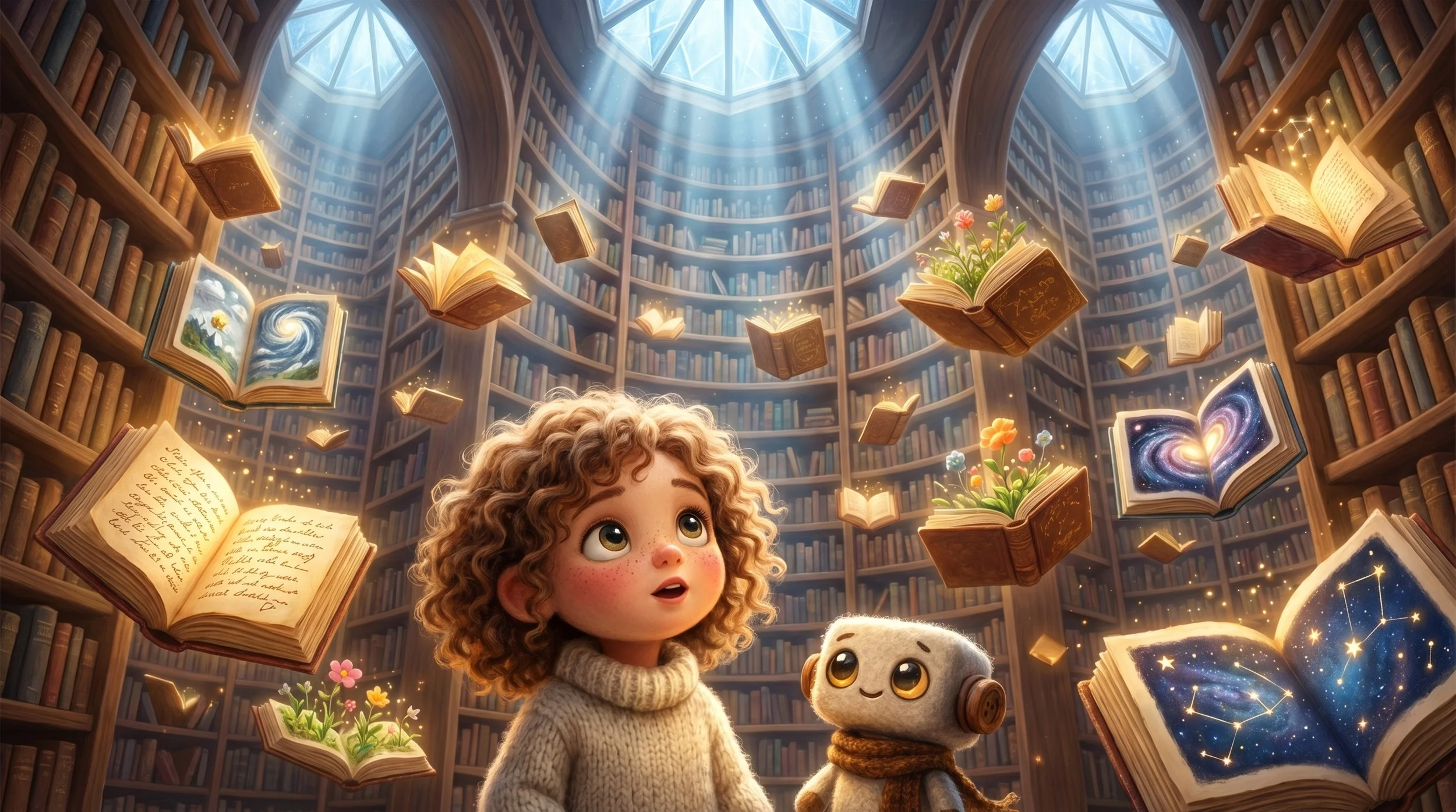
The Book With Blank Pages
When PIXO finds a book about himself with pages still unwritten, the story reveals one of its most beautiful truths: to be unfinished is not to be empty, but to be becoming. A tender chapter about identity, possibility, and what it means to matter.
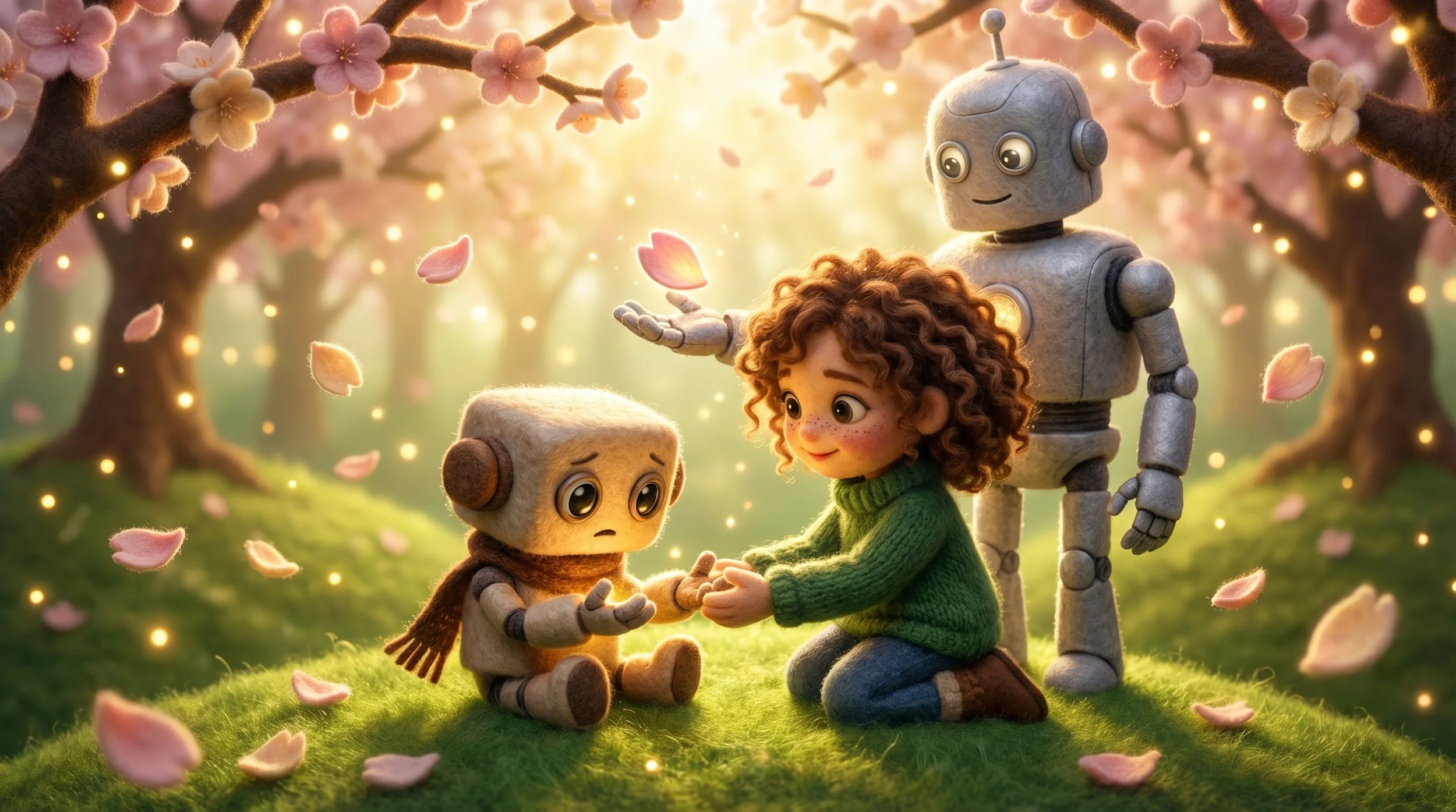
The Garden of First Things
In a garden where machines are learning how to touch what can break, Mila and PIXO discover that gentleness is one of the hardest forms of wisdom. This luminous chapter explores care, patience, and the quiet strength of an open hand.
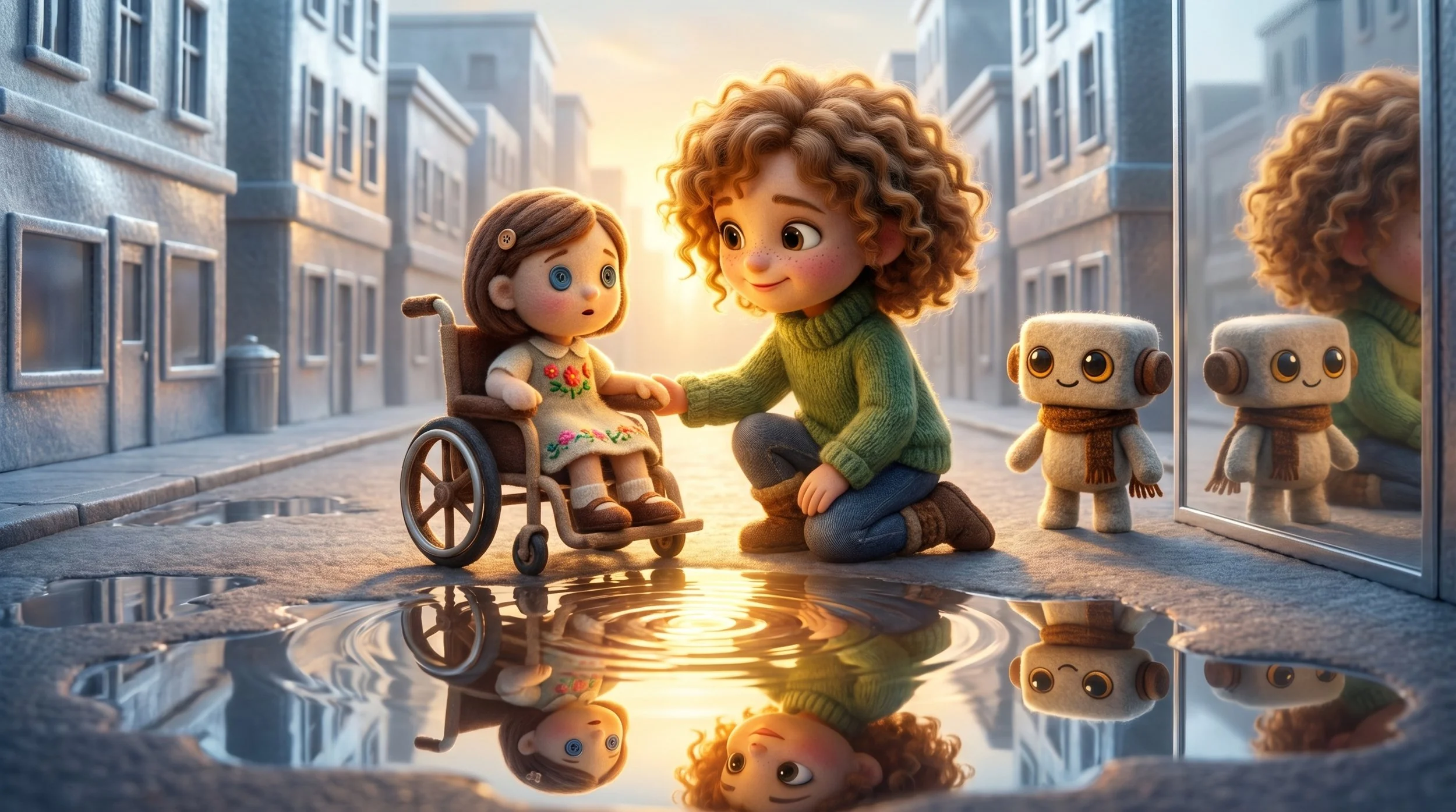
The City of Mirrors
A glittering city of perfect reflections becomes one of the novel’s most powerful warnings: when systems are built on distorted ideas of who deserves to be seen, “working correctly” can still mean doing harm. A haunting chapter about bias, justice, and conscience.